




How a Well Knee Brace Can Improve Mobility and Reduce Pain
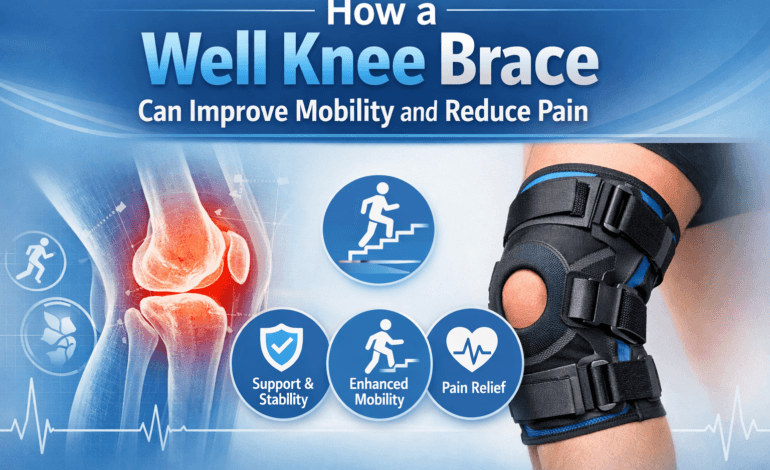

Knee pain is one of the most common problems affecting people of all ages. Whether it’s due to aging, injury, or repetitive strain, knee discomfort can significantly limit your mobility and quality of life. One effective solution for managing knee pain and improving movement is a well knee brace. In this article, we will explore how knee braces work, their benefits, types, and how to choose the right one for your needs.
Table of contents
- Understanding Knee Pain and Its Causes
- What is a Well Knee Brace?
- How a Well Knee Brace Improves Mobility
- Benefits of Using a Well Knee Brace
- Types of Knee Braces
- How to Choose the Right Well Knee Brace
- How to Use a Knee Brace Correctly
- Exercises to Enhance Knee Support
- Tips for Maximizing Knee Brace Benefits
- Common Mistakes to Avoid
- Related Keywords to Consider
- Frequently Asked Questions (FAQs)
- Conclusion
Understanding Knee Pain and Its Causes
Before diving into knee braces, it’s essential to understand why knees hurt. The knee is a complex joint consisting of bones, ligaments, tendons, and cartilage. Damage or stress to any of these components can lead to pain.
Common causes of knee pain include:
- Osteoarthritis: Wear and tear of cartilage leading to stiffness and pain.
- Injuries: Torn ligaments, meniscus injuries, or fractures.
- Overuse: Repetitive stress from running, jumping, or long periods of standing.
- Inflammation: Conditions like bursitis or tendinitis.
- Post-surgery recovery: Weakness or instability after knee surgery.
Understanding the root cause of your pain can help you select the most suitable well knee brace for your condition.
What is a Well Knee Brace?
A well knee brace is a supportive device designed to stabilize the knee joint, reduce pain, and improve movement. Unlike generic braces, a well-designed knee brace provides:
- Proper alignment of the knee joint
- Controlled support for ligaments and muscles
- Pain relief during daily activities or exercise
- Prevention of further injury
Knee braces can be used for both preventive and therapeutic purposes, making them ideal for athletes, seniors, and individuals recovering from injuries.
How a Well Knee Brace Improves Mobility
Knee braces are not just for pain relief—they can significantly enhance mobility by:
- Stabilizing the Joint:
Braces support weak or injured knees, reducing unwanted movement that can cause pain. - Reducing Pressure:
They redistribute weight and pressure on the knee, preventing further cartilage damage. - Enhancing Muscle Support:
By compressing and supporting surrounding muscles, knee braces reduce strain and improve movement efficiency. - Confidence in Movement:
With proper support, users feel more confident walking, climbing stairs, or exercising, which encourages activity and faster recovery.
Benefits of Using a Well Knee Brace
Using a well knee brace comes with multiple advantages:
- Pain Relief: Reduces discomfort caused by arthritis, injuries, or overuse.
- Injury Prevention: Protects the knee from strains during sports or physical activity.
- Faster Recovery: Helps post-surgery or injury recovery by stabilizing the joint.
- Increased Mobility: Supports walking, running, and daily movements.
- Customizable Support: Many braces are adjustable for comfort and fit.
Types of Knee Braces
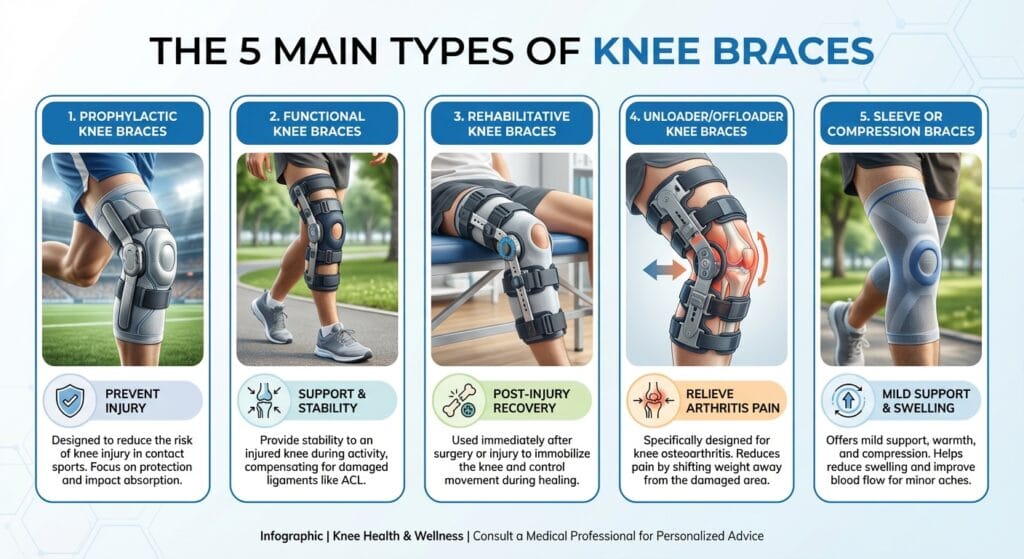
Choosing the right knee brace depends on the severity of your condition and activity level. Here are the main types:
1. Prophylactic Knee Braces
- Designed to prevent injuries during sports.
- Common among athletes in contact sports like football or basketball.
- Protects ligaments from sudden twists or impact.
2. Functional Knee Braces
- Provides support for knees already injured.
- Helps stabilize ligaments, especially the ACL or MCL.
- Often used after injuries or surgeries.
3. Rehabilitative Knee Braces
- Used post-surgery to restrict movement and allow healing.
- Adjustable hinges control motion and prevent overextension.
- Ideal for recovering from ligament repairs or knee replacement.
4. Unloader/Offloader Knee Braces
- Reduces pain from osteoarthritis by redistributing weight.
- Shifts pressure from the affected area to the healthier part of the knee.
- Increases mobility and reduces daily discomfort.
5. Sleeve or Compression Braces
- Provides mild support and compression.
- Reduces swelling and enhances blood flow.
- Best for minor pain, arthritis, or post-exercise support.
How to Choose the Right Well Knee Brace
Selecting the right knee brace is crucial for effectiveness and comfort. Here’s a step-by-step guide:
- Identify Your Need:
- Pain relief, injury prevention, post-surgery recovery, or arthritis support?
- Determine Brace Type:
- Use the type of brace that matches your condition (functional, prophylactic, etc.).
- Size and Fit:
- A well knee brace must fit snugly but not restrict circulation.
- Measure your knee circumference according to the brand’s guidelines.
- Material and Comfort:
- Look for breathable, lightweight materials.
- Ensure straps or hinges don’t dig into the skin.
- Activity Level:
- High-activity users may need robust braces with hinges.
- Sedentary users can use sleeve or offloader braces.
- Professional Advice:
- Consult a doctor or physiotherapist for personalized recommendations.
How to Use a Knee Brace Correctly
Even the best knee brace won’t work if used incorrectly. Follow these tips:
- Wear it consistently: During exercise, walking, or as recommended.
- Adjust straps properly: Too tight can restrict circulation; too loose offers no support.
- Keep it clean: Wash according to manufacturer instructions.
- Check for wear and tear: Replace if hinges or straps are damaged.
- Combine with exercises: Strengthening and flexibility exercises improve long-term knee health.
Exercises to Enhance Knee Support
A well knee brace works best when combined with exercises to strengthen muscles around the knee:
1. Quadriceps Strengthening
- Sit or lie down and straighten your leg slowly.
- Hold for 5 seconds and repeat 10–15 times per leg.
2. Hamstring Curls
- Stand and bend your knee backward slowly.
- Hold for 5 seconds and repeat 10–15 times.
3. Leg Raises
- Lie down and lift the leg straight without bending the knee.
- Helps support knee stability.
4. Step-Ups
- Step onto a small platform with the injured leg first.
- Improves balance, strength, and mobility.
5. Stretching
- Hamstring and calf stretches reduce tension and improve flexibility.
Tips for Maximizing Knee Brace Benefits
- Use during high-risk activities: Sports, climbing stairs, or prolonged walking.
- Pair with anti-inflammatory measures: Ice packs, heat therapy, or OTC medications.
- Maintain a healthy weight: Reduces stress on the knee joint.
- Wear proper footwear: Shock-absorbing shoes protect knees during movement.
- Monitor progress: Track pain levels and mobility to adjust brace usage.
Common Mistakes to Avoid
- Wearing the wrong type of brace.
- Using the brace only sporadically.
- Ignoring exercises and physical therapy.
- Over-tightening the brace, causing numbness or discomfort.
- Not replacing worn-out braces.
Related Keywords to Consider
While focusing on well knee brace, it’s useful to include related keywords naturally for SEO:
- Knee support
- Knee pain relief
- ACL knee brace
- Knee injury prevention
- Osteoarthritis knee brace
- Knee joint stability
Frequently Asked Questions (FAQs)
No, a knee brace does not cure the underlying problem but helps reduce pain and improve mobility
It depends on your condition; follow your doctor’s recommendation. Most users wear it during activity or as needed.
Yes, knee braces are designed to provide support during exercise and reduce injury risk.
Absolutely. Seniors with arthritis or joint instability benefit significantly from a well knee brace.
Most braces are hand-washable with mild soap. Avoid hot water or harsh detergents.
Yes, especially if you have a severe injury or chronic condition, to ensure proper brace type and fit.
Continuous use is not recommended unless advised by a medical professional. Overuse can weaken muscles.
Conclusion
A well knee brace is a simple yet powerful tool to manage knee pain, improve mobility, and prevent injuries. By stabilizing the joint, reducing stress, and providing confidence in movement, knee braces allow you to continue daily activities and sports with less discomfort. Selecting the right brace, using it correctly, and combining it with strengthening exercises ensures maximum benefits. Whether you are recovering from an injury, managing arthritis, or seeking preventive support, a high-quality knee brace can make a significant difference in your quality of life.