


States Phasing Out Mandatory Vehicle Inspections: What Drivers Need to Know
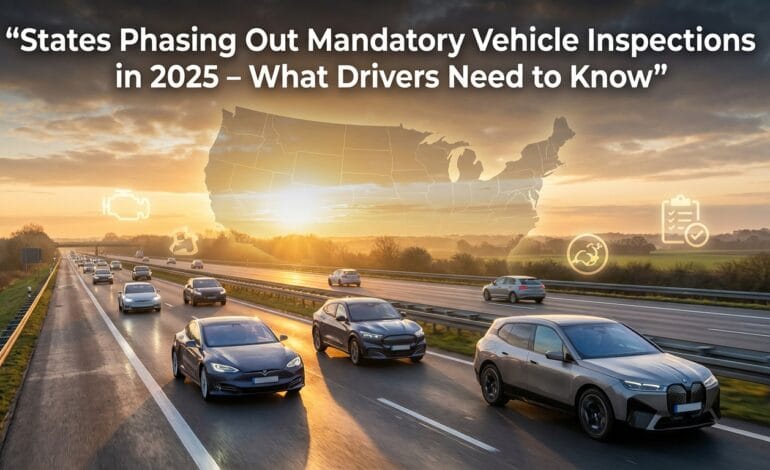

Table of contents
- Why States Are Phasing Out Vehicle Inspections
- Which States Have Ended or Reduced Vehicle Inspections?
- What Drivers Should Expect During the Transition
- Environmental Concerns and Emission Control
- How to Keep Your Car Safe Without Mandatory Inspections
- The Economic and Political Angle
- Future of Vehicle Inspections in the U.S.
- FAQs About States Phasing Out Vehicle Inspections
For decades, States Phasing Out Mandatory Vehicle Inspections have been a routine part of car ownership in many U.S. states. The intent behind these inspections was clear — to ensure vehicles on the road met basic safety and emissions standards. But in recent years, a growing number of states have begun phasing out or significantly reducing their mandatory inspection requirements.
This change has sparked debates among drivers, policymakers, and environmental groups. While some hail the move as a cost-saving, efficiency-boosting measure, others worry it could lead to unsafe or polluting vehicles on the road.
So, why are states dropping these inspections? What does it mean for drivers? And how can motorists stay compliant with changing laws? Let’s dive into all the details.
Why States Are Phasing Out Vehicle Inspections
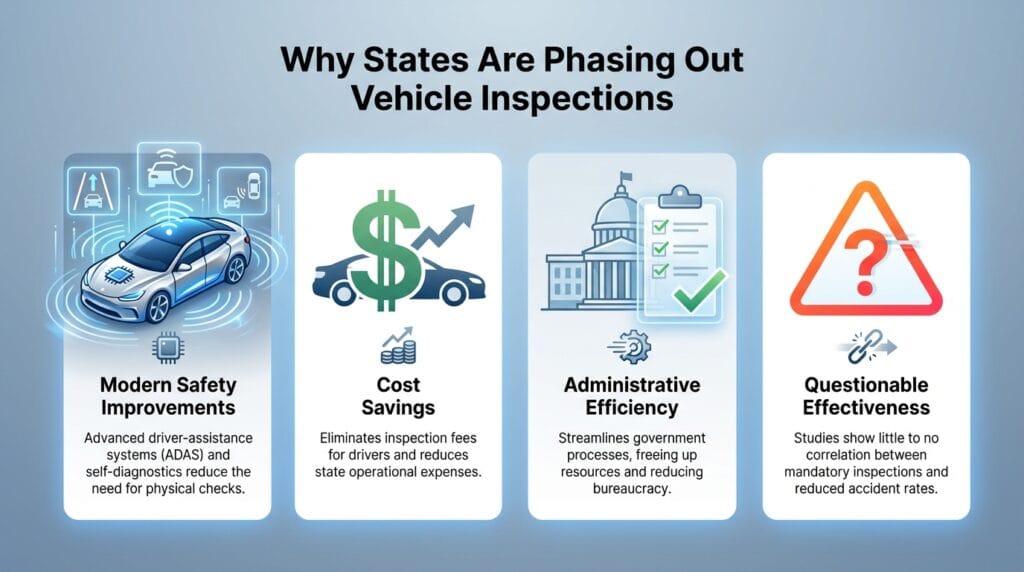
There are several reasons behind the gradual elimination of mandatory vehicle inspections:
1. Modern Vehicle Safety Improvements
Today’s vehicles are more reliable, efficient, and equipped with advanced diagnostic systems that alert drivers to safety issues. Features such as anti-lock brakes, airbags, lane departure warnings, and tire pressure monitoring systems make vehicles safer than ever before.
States argue that these advancements reduce the need for frequent, government-mandated inspections.
2. Cost Savings for Drivers
Inspections can cost anywhere from $10 to $50 per vehicle annually — not including potential repair costs for issues found during inspection. Over time, that adds up for families with multiple vehicles.
By eliminating mandatory inspections, states aim to reduce this financial burden and simplify vehicle ownership.
3. Administrative Efficiency
Inspection programs require state funding, equipment, and oversight. Phasing out mandatory inspections allows states to reallocate resources toward road maintenance, traffic safety programs, or emission-reduction initiatives that yield greater benefits.
4. Questionable Effectiveness
Studies in some states have shown little to no measurable improvement in road safety from mandatory inspections. For instance, states like South Carolina and Michigan reported no significant difference in crash rates after removing inspection programs decades ago.
Which States Have Ended or Reduced Vehicle Inspections?
As of 2025, several states have already eliminated or scaled back their inspection requirements. Let’s take a look at some examples:
No Mandatory Safety Inspections
The following states currently do not require annual vehicle safety inspections:
- Alaska
- Arkansas
- Iowa
- Michigan
- Minnesota
- Montana
- North Dakota
- South Carolina
- South Dakota
- Wyoming
Emissions-Only Testing States
Some states have dropped safety inspections but still require emissions testing in certain counties to comply with federal air quality standards. These include:
- Arizona
- Colorado
- Georgia
- Illinois
- New Jersey
- New Mexico
- New York (certain counties)
- Texas
- Virginia
States Considering Policy Changes
Other states, such as Pennsylvania, North Carolina, and Utah, are actively reviewing legislation to reduce or modernize inspection requirements. Pennsylvania, for example, has proposed a “biennial inspection” model instead of annual testing.
What Drivers Should Expect During the Transition
If you live in a state phasing out inspections, you may be wondering what happens next. Here’s what to expect:
1. Updated Legislation
Each state will update its motor vehicle laws and Department of Motor Vehicles (DMV) procedures to reflect the changes. Keep an eye on your DMV’s website for updates.
2. Grace Periods
Most states introduce a grace period — typically six months to a year — to give drivers time to adjust before inspections are no longer required.
3. Local Requirements May Still Apply
Even if your state ends inspections, local counties or municipalities may have separate emissions or safety programs, particularly in urban areas where air quality is a concern.
4. Insurance Considerations
While inspections might not be mandatory, insurance companies may still require proof of vehicle maintenance or roadworthiness, especially for older cars.
Environmental Concerns and Emission Control
The removal of inspection programs has raised concerns among environmental advocates who fear that lax oversight could lead to higher emissions. However, most modern cars are designed to meet strict federal standards and self-report emissions-related issues via the Check Engine Light (CEL).
Many states are also investing in electric vehicle (EV) incentives, public transit, and air quality monitoring to offset potential pollution increases.
For drivers, this means that even if emissions inspections are dropped, maintaining your car’s exhaust system and catalytic converter remains essential for both performance and environmental responsibility.
How to Keep Your Car Safe Without Mandatory Inspections
Just because inspections are no longer required doesn’t mean maintenance should be ignored. Here are a few best practices:
1. Perform Regular Maintenance
Follow your vehicle’s manufacturer-recommended maintenance schedule. Regular oil changes, brake checks, and tire rotations go a long way in keeping your car safe.
2. Use Diagnostic Tools
Consider purchasing an OBD-II scanner. These affordable devices can detect and report engine or emission issues before they become serious problems.
3. Check Safety Components
Inspect lights, brakes, tires, and steering regularly. A visual walk-around once a month can catch small issues early.
4. Visit a Trusted Mechanic
Even without state mandates, annual checkups from a professional mechanic can ensure your vehicle remains in optimal condition.
The Economic and Political Angle
State inspection programs are not just about safety — they also have economic and political implications.
Revenue Impact
Inspection fees contribute millions in annual revenue for both state governments and private inspection stations. Eliminating inspections can impact local businesses that rely on inspection-related services.
Public Opinion
While many drivers welcome the convenience and cost savings, some worry that removing inspections could lead to more unsafe vehicles on the road. Lawmakers must balance these perspectives when drafting new policies.
Future of Vehicle Inspections in the U.S.
As technology continues to advance, traditional inspection models may become obsolete. Future inspection programs could rely on digital diagnostics, connected vehicle data, or AI-powered monitoring systems to assess vehicle health automatically.
Imagine a system where your car uploads diagnostic data directly to a DMV server — no physical inspection required. This kind of “smart inspection” system could become the new norm by 2030.
FAQs About States Phasing Out Vehicle Inspections
No, but always check local county or city rules — some may still require emissions testing.
Most studies show little difference in accident rates between states with and without inspections. However, regular maintenance is still vital for safety.
Older vehicles may still be subject to emissions testing, especially in metropolitan areas with air quality concerns.
Yes. Many private mechanics and service centers offer voluntary inspections for peace of mind or when selling a vehicle.
Some insurers may require proof of maintenance or condition reports, particularly for older or high-mileage vehicles.
Conclusion
The trend toward eliminating mandatory vehicle inspections reflects broader shifts in automotive technology, state policy, and consumer convenience. While it simplifies life for drivers, it also places greater responsibility on individuals to maintain their vehicles properly.
Staying informed and proactive about your car’s condition is the best way to ensure safety, performance, and environmental compliance — even without a state-mandated inspection sticker on your windshield.
More read : newstechhack.com