



Aortic Atherosclerosis: Causes, Symptoms, Diagnosis, and Treatment
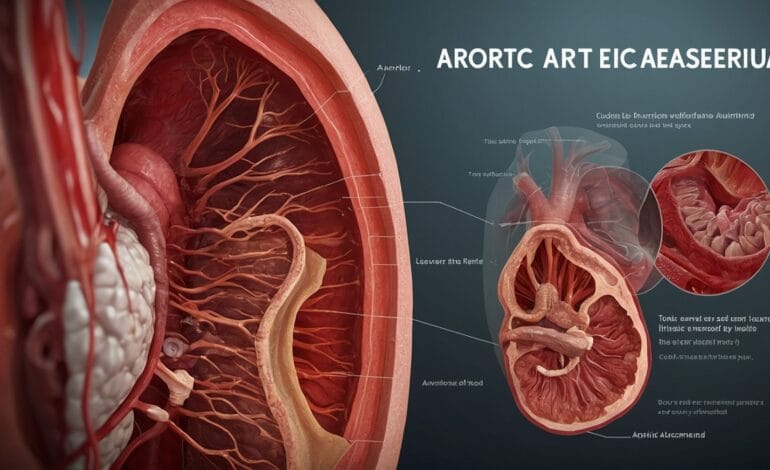

Table of contents
- What Is Aortic Atherosclerosis?
- Why Aortic Atherosclerosis Is Dangerous
- Causes of Aortic Atherosclerosis
- Risk Factors for Aortic Atherosclerosis
- Symptoms of Aortic Atherosclerosis
- Complications of Aortic Atherosclerosis
- Diagnosis of Aortic Atherosclerosis
- Treatment Options for Aortic Atherosclerosis
- Prevention of Aortic Atherosclerosis
- Living With Aortic Atherosclerosis
- Frequently Asked Questions (FAQs)
- Conclusion
Aortic atherosclerosis is a serious cardiovascular condition that often develops silently over many years. It involves the buildup of fatty deposits, cholesterol, calcium, and inflammatory substances—collectively known as plaque—along the inner walls of the aorta, the largest artery in the human body. Because the aorta supplies oxygen-rich blood to nearly every organ, any disease affecting it can have widespread and potentially life-threatening consequences.
In this comprehensive guide, we will explain what aortic atherosclerosis is, its causes, symptoms, diagnosis methods, treatment options, prevention strategies, and answer the most common frequently asked questions (FAQs). This article is written to be medically accurate, easy to understand, and optimized for search engines.
What Is Aortic Atherosclerosis?
Aortic atherosclerosis is a form of atherosclerosis, a condition characterized by the gradual hardening and narrowing of arteries due to plaque accumulation. When this process occurs in the aorta, it can reduce blood flow, weaken the arterial wall, and increase the risk of serious complications such as heart attack, stroke, aneurysm, and embolism.
The aorta begins at the heart and extends through the chest (thoracic aorta) and abdomen (abdominal aorta). Atherosclerosis can affect any part of the aorta, but it is most commonly found in the abdominal aorta, especially in older adults.
Why Aortic Atherosclerosis Is Dangerous
Unlike smaller arteries, the aorta carries a massive volume of blood. Plaque buildup in this artery can:
- Restrict blood flow to vital organs
- Cause plaque rupture, leading to blood clots
- Increase the risk of stroke and heart attack
- Lead to aortic aneurysm or dissection
Because symptoms often appear late, early detection is critical.
Causes of Aortic Atherosclerosis
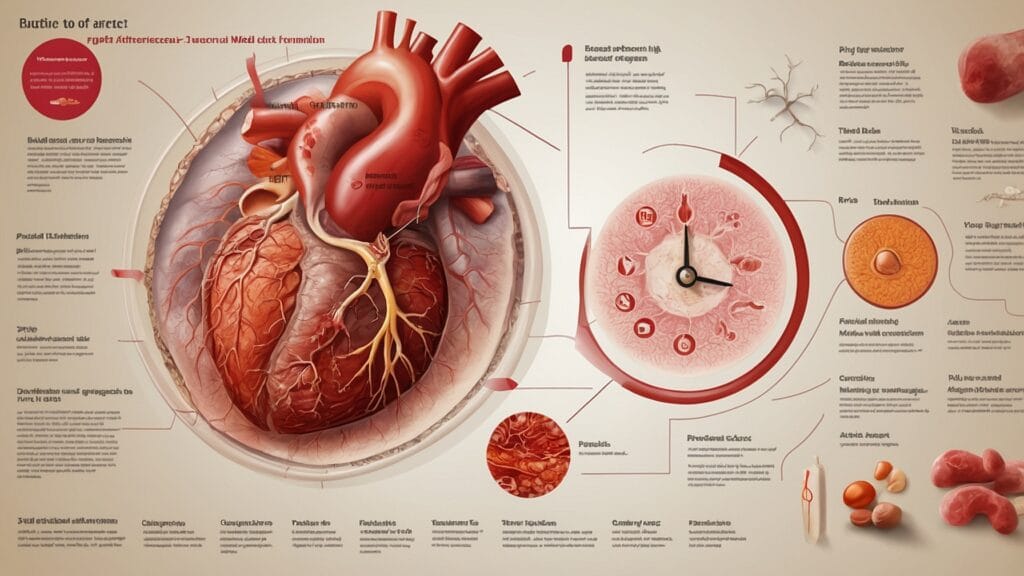
Aortic atherosclerosis develops gradually due to a combination of lifestyle, genetic, and medical factors.
1. High Cholesterol Levels
Elevated levels of LDL (“bad”) cholesterol promote plaque formation along arterial walls.
2. High Blood Pressure (Hypertension)
Chronic high blood pressure damages the inner lining of arteries, making plaque buildup more likely.
3. Smoking
Smoking accelerates atherosclerosis by damaging blood vessels and increasing inflammation.
4. Diabetes
High blood sugar damages blood vessels and increases cholesterol-related plaque formation.
5. Aging
Risk increases with age due to long-term exposure to risk factors and natural arterial wear.
6. Obesity and Poor Diet
Diets high in saturated fats, trans fats, and refined sugars contribute significantly.
7. Lack of Physical Activity
Sedentary lifestyles increase cholesterol levels and reduce cardiovascular health.
8. Family History
Genetic predisposition plays a role, especially in early-onset cardiovascular disease.
Risk Factors for Aortic Atherosclerosis
You are at higher risk if you have:
- High LDL cholesterol
- High blood pressure
- Diabetes
- A history of smoking
- Obesity
- A family history of heart disease
- Chronic kidney disease
Symptoms of Aortic Atherosclerosis
One of the most dangerous aspects of aortic atherosclerosis is that it is often asymptomatic in its early stages.
Early Stage Symptoms
- Usually no noticeable symptoms
- Often discovered incidentally during imaging tests
Advanced Symptoms
Symptoms depend on which part of the aorta is affected:
Thoracic Aorta
- Chest pain
- Back pain
- Shortness of breath
Abdominal Aorta
- Abdominal pain
- Pulsating sensation in the abdomen
- Leg pain during walking (claudication)
Severe or Emergency Symptoms
- Sudden severe chest or back pain
- Signs of stroke (weakness, slurred speech)
- Fainting
- Sudden drop in blood pressure
These require immediate medical attention.
Complications of Aortic Atherosclerosis
If left untreated, aortic atherosclerosis can lead to serious complications:
1. Aortic Aneurysm
Weakening of the aortic wall leading to dangerous dilation.
2. Aortic Dissection
A tear in the aortic wall that can be fatal.
3. Stroke
Plaque fragments or clots can travel to the brain.
4. Heart Attack
Reduced blood flow to coronary arteries.
5. Peripheral Artery Disease
Reduced circulation to legs and arms.
Diagnosis of Aortic Atherosclerosis
Early diagnosis improves outcomes significantly.
1. Medical History and Physical Exam
Doctors assess risk factors such as smoking, hypertension, and family history.
2. Blood Tests
- Cholesterol levels
- Blood sugar levels
- Inflammatory markers
3. Imaging Tests
CT Scan (Computed Tomography)
- Detects calcified plaque
- Measures aortic size
MRI (Magnetic Resonance Imaging)
- Evaluates soft plaque and blood flow
Ultrasound
- Common for abdominal aorta screening
Echocardiography
- Assesses aortic root and heart function
Treatment Options for Aortic Atherosclerosis
Treatment focuses on slowing disease progression, reducing complications, and managing symptoms.
1. Lifestyle Modifications
Lifestyle changes are the foundation of treatment.
- Quit smoking
- Adopt a heart-healthy diet
- Exercise regularly (at least 150 minutes per week)
- Maintain a healthy weight
- Manage stress
2. Medications
Doctors may prescribe:
Statins
Lower LDL cholesterol and stabilize plaque.
Antihypertensive Drugs
Control blood pressure.
Antiplatelet Medications
Reduce clot formation.
Diabetes Medications
Improve blood sugar control.
3. Surgical and Interventional Treatments
Used in severe cases or complications.
Aortic Stent Placement
Keeps the artery open and improves blood flow.
Aneurysm Repair
Open or endovascular surgery to prevent rupture.
Bypass Surgery
Reroutes blood flow around blocked areas.
Prevention of Aortic Atherosclerosis
Prevention is possible—even if you have risk factors.
Healthy Diet
- Fruits and vegetables
- Whole grains
- Lean proteins
- Healthy fats (olive oil, nuts)
Regular Exercise
Improves circulation and cholesterol levels.
Routine Health Screenings
Early detection of hypertension, diabetes, and high cholesterol.
Avoid Tobacco and Excess Alcohol
Living With Aortic Atherosclerosis
With proper management, many people live long, active lives. Key strategies include:
- Medication adherence
- Regular medical follow-ups
- Lifestyle consistency
- Monitoring symptoms
Frequently Asked Questions (FAQs)
1. Is aortic atherosclerosis life-threatening?
It can be serious if untreated, especially if it leads to aneurysm, stroke, or heart attack. Early detection greatly reduces risks.
2. Can aortic atherosclerosis be reversed?
Plaque buildup cannot usually be fully reversed, but progression can be slowed or stabilized with treatment.
3. Is aortic atherosclerosis the same as coronary artery disease?
No. Coronary artery disease affects heart arteries, while aortic atherosclerosis affects the main artery of the body.
4. How common is aortic atherosclerosis?
It is common in older adults, especially those with hypertension, diabetes, or high cholesterol.
5. What is the best treatment for aortic atherosclerosis?
A combination of lifestyle changes, medications, and surgery (if needed) provides the best outcomes.
6. Can exercise worsen aortic atherosclerosis?
No. Moderate, doctor-approved exercise is beneficial and strongly recommended.
Conclusion
Aortic atherosclerosis is a progressive but manageable cardiovascular condition. Although it often develops silently, its consequences can be severe if left untreated. Understanding the causes, symptoms, diagnosis, and treatment options empowers individuals to take control of their cardiovascular health.
Through early detection, healthy lifestyle choices, and appropriate medical care, the risks associated with aortic atherosclerosis can be significantly reduced. If you have risk factors or symptoms, consult a healthcare professional for evaluation and guidance.