


Your Empty Office Turn Into Apartments: Cost, Process & Benefits Explained
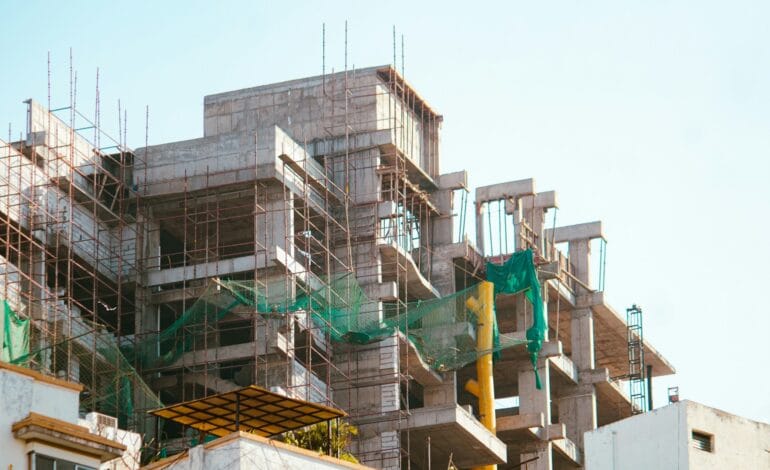

As remote work continues to grow and businesses downsize their physical spaces, thousands of office buildings around the world are sitting empty. Instead of letting these spaces lose value, property owners are increasingly converting them into modern apartments. This growing trend known as Office Turn Into Apartments conversion is reshaping the real estate market, solving housing shortages, and giving new life to unused properties.
If you have an empty office building and want to explore its residential potential, this guide covers everything you need to know: costs, process, timelines, benefits, and challenges.
Example:
“If you want to explore more real estate updates, visit our Home.”
Why Convert An Empty Office Turn Into Apartments?
1. Rising Demand For Housing
Urban areas are facing a shortage of affordable housing. At the same time, office occupancy rates have dropped significantly due to hybrid and remote work. Converting office turn into apartments quickly addresses this imbalance.
2. Higher ROI Compared To Commercial Leasing
Residential units often provide more stable and long-term rental income. A converted building can generate profit faster than waiting for new commercial tenants.
3. Lower Construction Costs
Instead of building a new structure from zero, you reuse:
- Foundation
- Frame structure
- Elevators
- Electrical shafts
- Staircases
This saves 20% to 50% of total cost depending on the condition of the property, making the Office Turn Into Apartments option more affordable.
4. Eco Friendly Redevelopment
Conversion avoids demolition waste and reduces the environmental footprint by reusing existing materials and structure.
Challenges In Office Turn Into Apartments Conversions
While profitable, these projects also come with challenges:
1. Deep Floor Plans
Offices often have large open spaces far from windows. Apartments need natural light, ventilation, and proper room layouts.
2. Plumbing Requirements
Residential apartments require more plumbing lines and bathrooms compared to offices.
3. Zoning And Code Regulations
Some areas require official approval to change a property from commercial to residential. Fire safety standards are also much stricter for Office Turn Into Apartments projects.
4. Parking Limitations
Most cities require a certain number of parking spots per unit.
The Step By Step Conversion Process
Step 1: Feasibility Study
Architects and engineers evaluate:
- Structural strength
- Window positions
- Emergency exits
- Utility connections
- Floor depth
This tells how many apartments can fit on each floor.
Step 2: Concept Design And Layout Planning
The building layout is redesigned to add:
- Bedrooms
- Kitchens
- Bathrooms
- Living spaces
- Ventilation points
- Hallways
Skilled architects can optimize even narrow or unusual office layouts for Office Turn Into Apartments conversions.
Step 3: Legal Approvals
You must submit plans for:
- Zoning change
- Safety compliance
- Structural approval
- Utility system approval
This stage ensures your project meets legal standards.
Step 4: Demolition ANd Interior Strip Out
All office materials are removed:
- Partitions
- Carpets
- Ceiling panels
- IT cabling
- Cubicles
- Old HVAC systems
This exposes the raw frame for the new Office Turn Into Apartments setup.
Step 5: Construction Phase
Builders install:
- New walls and partitions
- Plumbing lines
- Kitchen systems
- Electrical wiring
- Bathrooms
- HVAC units
You can also add shared facilities like:
- Fitness rooms
- Rooftop lounges
- Storage rooms
- Co-living spaces
Step 6: Finishing And Interior Decoration
This includes:
- Tiling
- Painting
- Lighting
- Doors
- Cabinets
- Kitchen appliances
At this point, the building transforms into a modern residential space.
Step 7: Final Inspection And Handover
Authorities inspect the project. Once approved, the new Office Turn Into Apartments units can be rented or sold.
Cost To Turn An Empty Office Into Apartments
Costs depend on building size, location, and condition. On average:
Estimated Conversion Cost Range:
- Basic Conversion: $80–$140 per sq ft
- Mid-Range: $150–$220 per sq ft
- Luxury Conversion: $250–$350 per sq ft
Savings Compared to New Construction:
You save money because:
- Main structure already exists
- Permits may be faster
- Less raw material needed
- Land cost is eliminated
Overall, an Office Turn Into Apartments project can be 20%–40% cheaper than constructing a new apartment tower.
Benefits For Property Owners And Investors
1. Faster Market Entry
New construction might take 2to4 years. Conversions often finish in 8to16 months.
2. Better Cash Flow
Residential units rent quicker and remain occupied longer.
3. Long Term Appreciation
Converted apartments in urban centers retain high resale value.
4. Reduced Risk
A vacant office brings zero income but a residential building generates steady revenue immediately after completion.
Real World Success Examples
New York City
Hundreds of office towers have been converted into residential buildings with high demand from tenants.
London
Old corporate blocks in Docklands and central London are now chic apartment communities.
Dubai
Older commercial areas are turning into mixed-use housing buildings to meet rental demand.
Is Office To Apartment Conversion Right For You?
You should consider converting your empty office into apartments if:
- Your building has been vacant for 6+ months
- Office demand in your area is declining
- Housing demand is rising
- The building structure is in good condition
- Local laws support conversions
If these apply to your situation, Office Turn Into Apartments can be a highly profitable investment.
Conclusion
Turning an empty office into apartments is not just a trend it is a smart solution to modern real estate challenges. With housing shortages, remote work growth, and evolving urban dynamics, adaptive reuse provides a win-win for property owners, cities, and residents.
By understanding the costs, process, and benefits, you can transform your unused office into a valuable residential asset that generates long-term income.